Does Cyber Insurance Cover Ransomware Attacks?
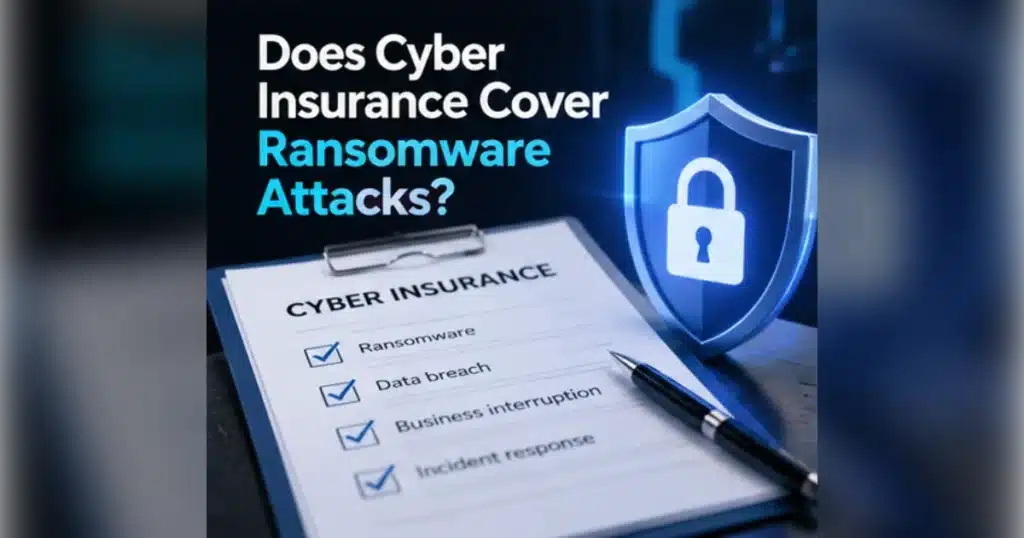
Cyber insurance may cover some costs linked to ransomware, such as incident response, business interruption and certain legal expenses. Coverage depends on the policy wording, exclusions, conditions and the circumstances of the attack. UK businesses should check their documents, security obligations and claims process before an incident occurs.
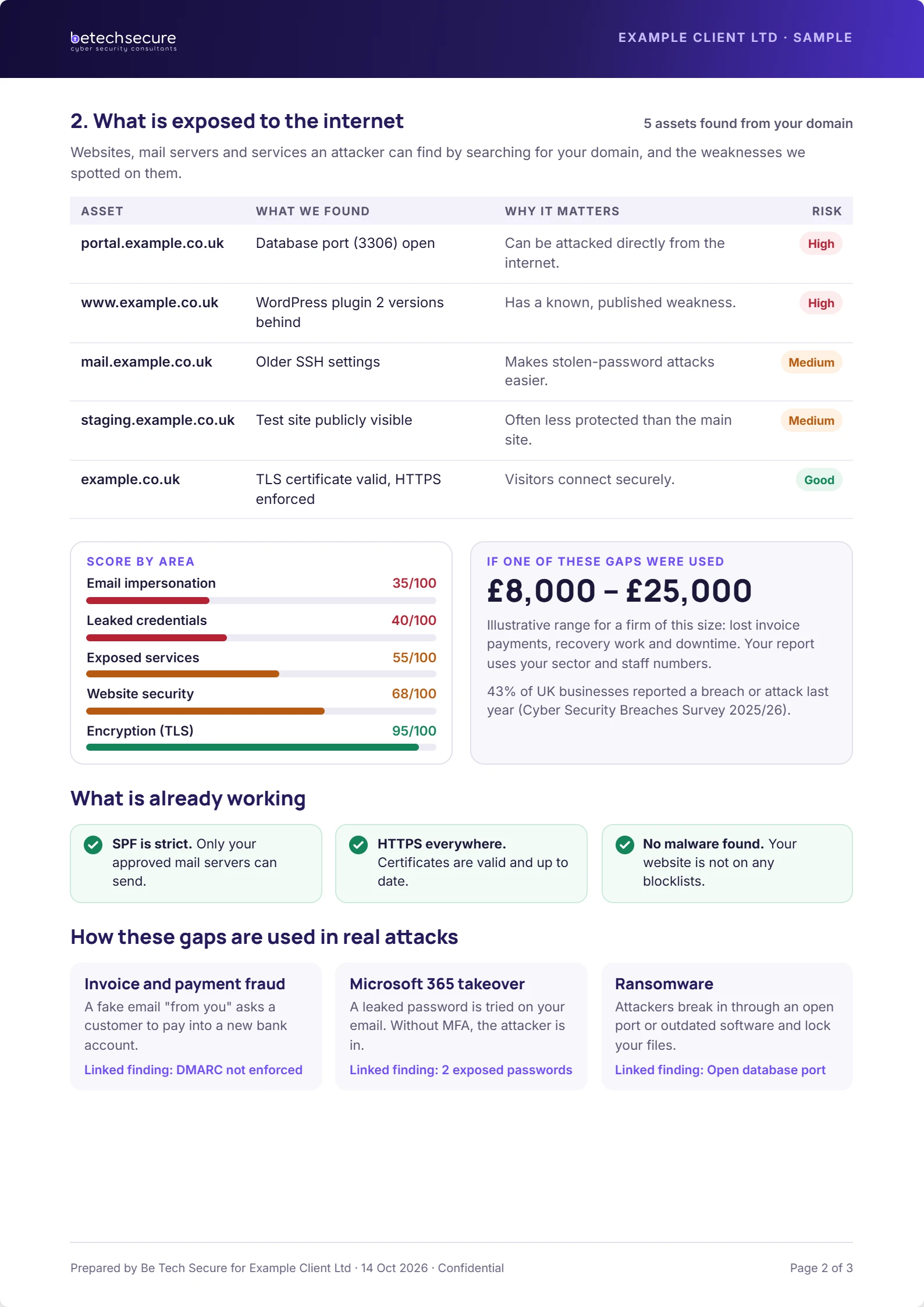
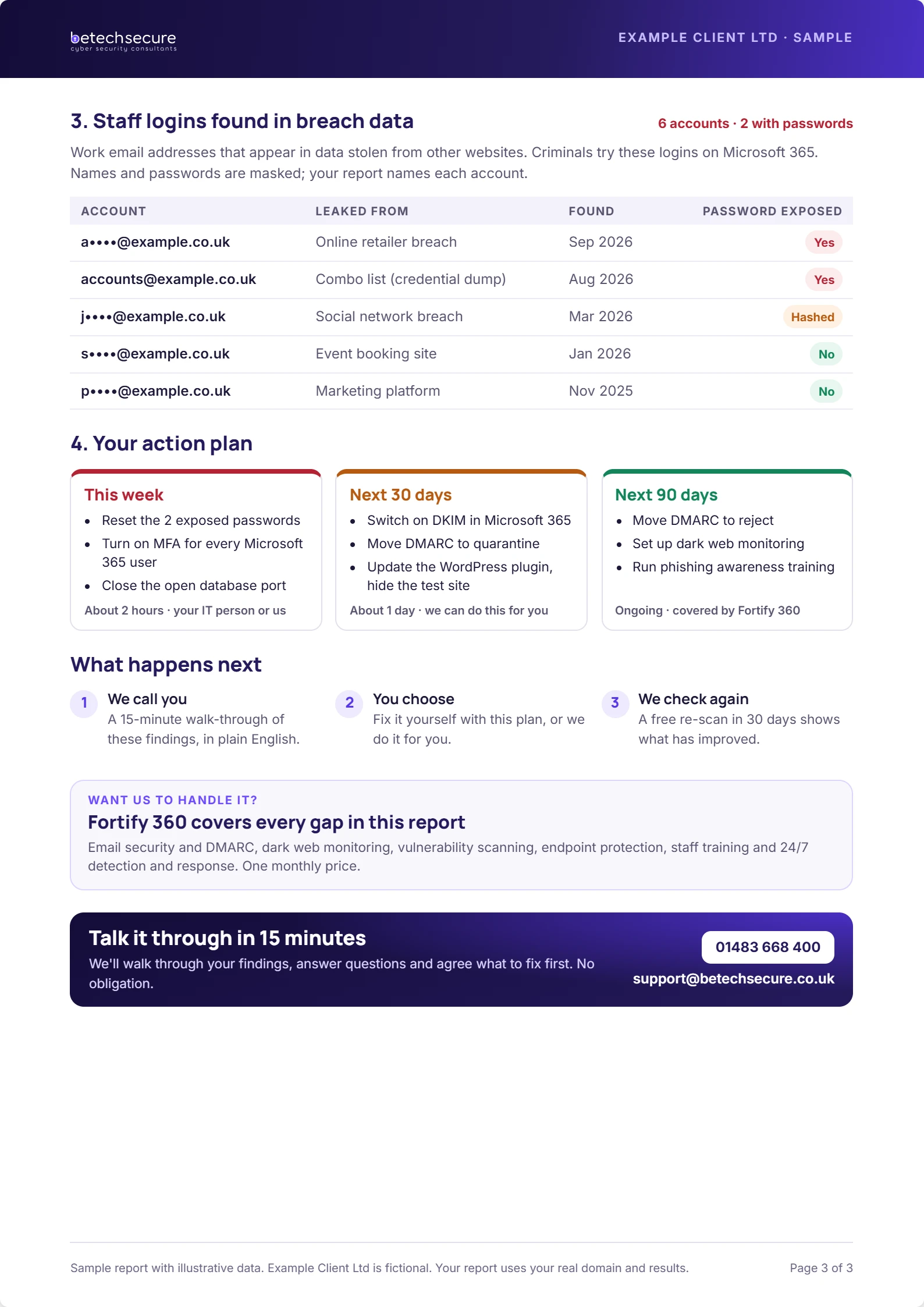
Key takeaways
- Coverage depends on exact policy wording and conditions.
- Do not assume ransom payments are covered or advisable.
- Keep evidence that declared security controls are in place.
- Use insurance alongside prevention, monitoring and recovery planning.
What ransomware costs might a cyber policy cover?
Depending on the policy, cover may extend to forensic investigation, specialist response services, system restoration, business interruption or certain third-party claims. Some policies also include access to an approved incident response panel.
Never assume every ransomware-related expense is insured. Sub-limits, excesses, waiting periods and exclusions can materially change the outcome.
Ask your broker for a written explanation of the relevant sections and examples of how the policy would respond to a realistic small-business incident.
Does cyber insurance pay a ransomware demand?
Some policies address cyber extortion, but this does not mean paying criminals is lawful, appropriate or guaranteed to be reimbursed. Sanctions and other legal restrictions may apply.
Paying a demand does not guarantee that stolen data will be deleted or that systems will be restored. Contact your insurer and specialist advisers before making any decision.
Your response plan should prioritise containment, investigation, safe recovery and appropriate reporting rather than treating ransom payment as the default option.
What security controls do insurers commonly ask about?
Applications often ask about multifactor authentication, endpoint protection, backups, access control, patching and staff training. The exact questions depend on the insurer, sector and business.
Answer accurately and keep evidence. A statement such as “MFA is enabled everywhere” should be checked against administrators, remote access, email and other critical systems.
Document exceptions and remediation plans. Insurance should complement strong controls, not substitute for them.
Free download: get the Ransomware readiness guide to turn this advice into a repeatable process.
How can you prepare for a ransomware claim?
Keep policy numbers, broker contacts, insurer hotlines and incident response instructions in an offline or separately accessible location. Identify who is authorised to notify the insurer.
Understand any requirement to use approved vendors or obtain consent before incurring certain costs. Delays or unapproved steps can complicate a claim.
Run a tabletop exercise that includes IT, leadership, finance and legal advisers. Test how you would preserve evidence, assess customer impact and maintain operations.
Is cyber insurance enough to protect a small business?
No. Insurance transfers some financial risk subject to policy terms, but it cannot prevent an attack, restore customer confidence automatically or replace technical response capabilities.
Layered security reduces the likelihood and impact of incidents. Combine backups, access controls, staff awareness, managed monitoring and an incident response plan appropriate to your business.
Review cover annually and after significant changes, such as adopting a new cloud system, increasing headcount or taking on a regulated client.
What should you do next?
Want to know where your business is exposed? Request a free security risk review or book a 15-minute conversation with Be Tech Secure.
Frequently asked questions
Will cyber insurance always cover ransomware?
No. Policies vary, and exclusions, conditions, limits and facts of the incident affect cover. Ask your insurer or broker to explain your policy in writing.
Is Cyber Essentials required for cyber insurance?
Not universally. Some insurers or products may ask for Cyber Essentials or equivalent controls, while others use different eligibility criteria. Check your own application and policy.
Should we contact the insurer before hiring responders?
Where safe and practical, follow the notification and consent requirements in your policy. Urgent containment should be coordinated with qualified advisers and documented carefully.
Can insurance replace backups?
No. Backups and tested recovery processes are operational controls. Insurance may help with certain costs, but it does not guarantee that lost information can be restored.